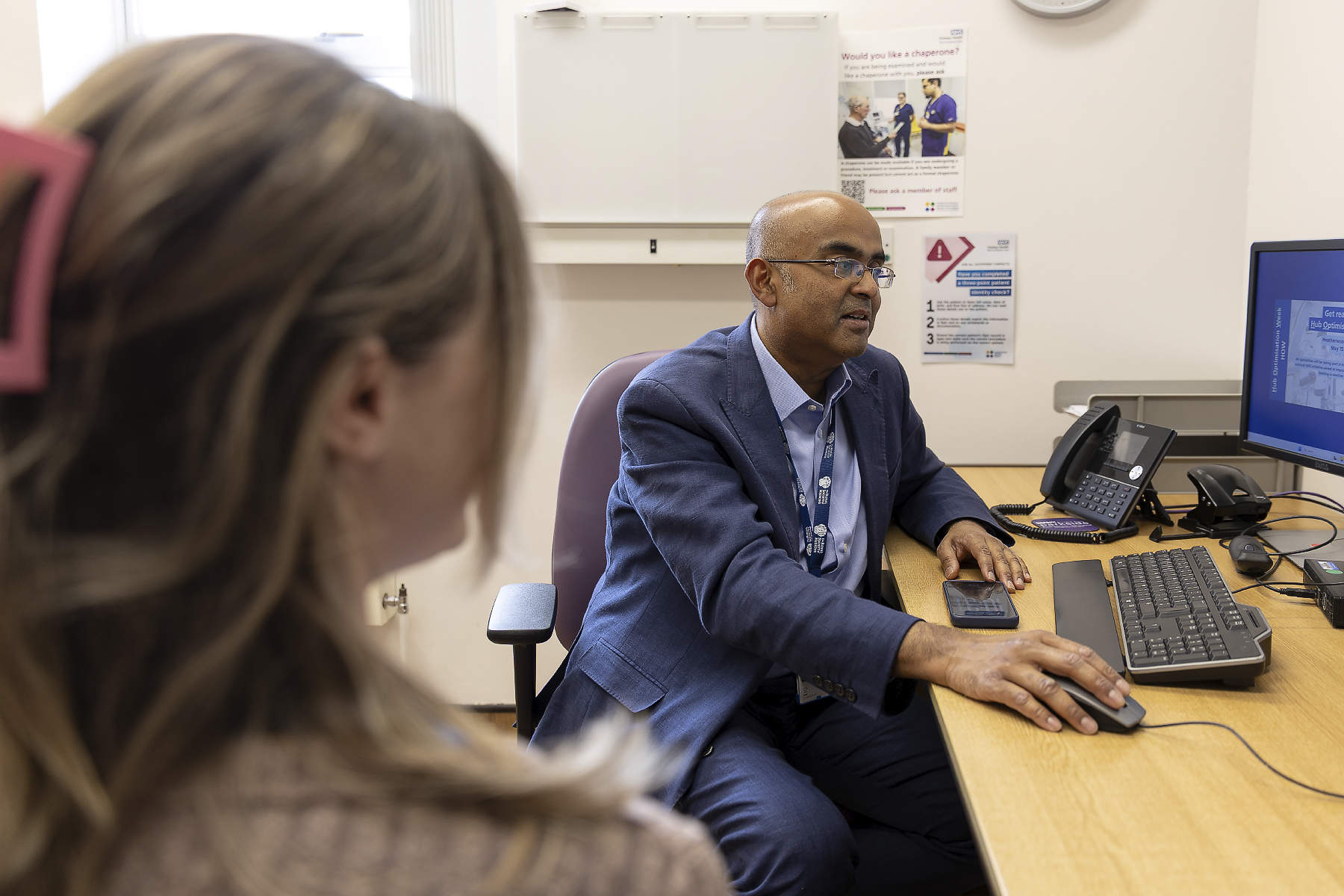
Undergoing surgery or investigating a gastrointestinal issue can feel overwhelming. Mr A Shiyam Nizar, MBBS FRCS(Eng), is a Consultant Colorectal and General Surgeon based at Frimley Park Hospital in Surrey—an institution rated 'Outstanding' by the Care Quality Commission (CQC).
Mr Nizar serves as the Clinical Lead for Colorectal Enhanced Recovery at Frimley Park Hospital. The Enhanced Recovery Pathway is a modern, evidence-based approach designed to help you prepare your body for surgery and recover much faster afterward.
Pre-Surgery: Personalized guidance on nutrition, hydration, and light activity to ensure your body is in peak condition before entering the operating room.
Aftercare & Recovery: Most routine general procedures, such as hernia repairs or minor proctology, are performed as comfortable day-case procedures, allowing you to recover in the comfort of your own home. For major bowel surgeries, our team prioritizes early mobilization and specialized pain management to safely shorten your hospital stay.
Knowing what to expect and how to prepare can significantly ease pre-surgery anxiety and fast-track your recovery. As the Clinical Lead for Enhanced Recovery, Mr. Nizar utilizes evidence-based protocols to ensure you are in optimal condition before, during, and after your procedure.
Please review this guide carefully. Following these instructions reduces the risk of complications and helps ensure a smooth admission.
The general information below covers most usual case scenarios. Mr Nazir will provide you with specific information for your own specific need.
Before your surgery date, you will attend a pre-assessment appointment (either in person or virtually).
What happens: A nurse will review your medical history, record your height and weight, check your blood pressure, and perform routine blood tests, an ECG (heart trace), or MRSA swabs if required.
What to bring: A complete, up-to-date list of all your current medications, dosages, and any supplements you take.
Some medications must be altered or paused prior to surgery because they affect bleeding or interact with anaesthetics:
Blood Thinners / Antiplatelets: (e.g., Warfarin, Clopidogrel, Aspirin, Apixaban). You will be given specific instructions at your pre-assessment on exactly when to stop taking these.
Diabetes Medication: Metformin, insulin, or other diabetic therapies will need specific adjustments timed around your fasting window.
Herbal Supplements: Stop taking fish oils, Vitamin E, and herbal remedies 2 weeks before surgery, as they can increase bleeding.
Smoking & Vaping: We strongly advise stopping smoking as early as possible. Smoking reduces oxygen levels in your tissues, delays wound healing, and increases chest infection risks post-surgery.
Shaving: Do not shave the surgical site (abdomen or groin) yourself. Shaving with a razor can cause tiny micro-cuts that increase the risk of surgical site infections. If hair removal is necessary, the clinical team will do it safely on the day of surgery using medical clippers.
Illness: If you develop a cough, cold, fever, or stomach bug in the days leading up to your admission, please contact Melissa Newland (Medical Secretary) immediately, as your surgery may need to be rescheduled for your safety.
Fasting is critical to prevent complications under general anaesthetic. Failure to follow these rules strictly will result in your surgery being cancelled.
Shower or bathe either the night before or the morning of your surgery using plain soap.
Do not apply body lotions, moisturizers, perfumes, or deodorant afterward.
Remove all makeup, nail polish, and false/acrylic nails (the clinical team needs to see your natural nail bed to monitor your oxygen levels).
Remove all jewelry and piercings.
If you are having a day-case procedure (such as a standard hernia repair or minor proctology surgery), pack light. If you are undergoing major colorectal surgery, prepare an overnight bag:
Loose, comfortable clothing (elastic waistbands are ideal to avoid pressure on abdominal wounds).
Slip-on slippers with a good grip and a warm dressing gown.
Basic toiletries and any personal items (glasses, hearing aids, dentures) along with their storage cases.
Something quiet to pass the time (a book, magazine, or tablet with headphones).
Leave high-value items, large amounts of cash, and expensive jewelry at home.
If you are being discharged on the same day as your surgery, the effects of the anaesthetic or sedation will still be in your system. You cannot navigate this transition alone.
Escort Required: You must arrange for a responsible adult to collect you from the hospital ward and drive or accompany you home in a taxi. You are not permitted to travel home alone on public transport.
Home Support: You must have a responsible adult stay overnight with you for the first 24 hours following general anaesthetic or sedation.
Legal/Safety Restrictions: For 24 hours post-anaesthetic, you must not drive a vehicle, operate machinery, drink alcohol, or sign legal documents.